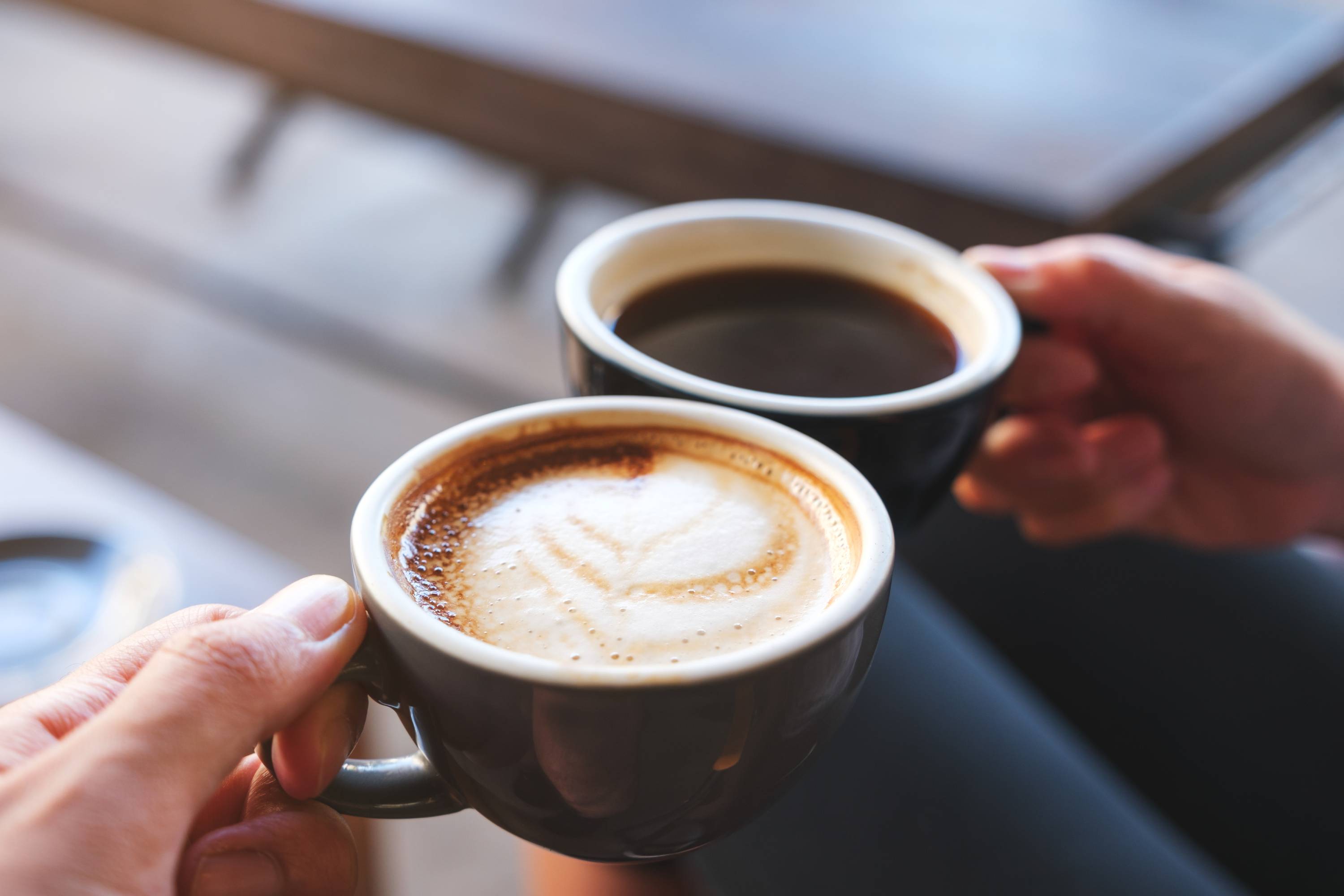
Starting your day with a steaming cup in hand is a ritual shared by many. Whether you're an avid coffee drinker or a true tea enthusiast, you may have pondered over the difference between Teein and Caffeine. Both terms are associated with that well-known energy boost that helps us feel more alert. But are they truly the same phenomenon, or is there more to these terms than meets the eye?
The Chemical Background: Clarifying the Terms
You might be surprised to learn that both Teein and Caffeine share the exact same chemical structure. Chemically identical, the distinction between these terms stems from historical context. Caffeine was first extracted from coffee beans, highlighting its stimulating effects. Meanwhile, the term Teein was coined when the identical compound was found in tea, meant for differentiation purposes. Regardless of the name, it's important to note they refer to the same chemical molecule.

The Coveted Effects of Caffeine
Caffeine plays a crucial role in modern society due to its well-documented impact on human alertness. Known for its ability to enhance concentration and attention, it's often hailed as a handy ally for a productive day. Whether you're a coffee lover or a tea aficionado, understanding this effect fuels our collective craving for that energy lift. Numerous occasions welcome such effects—be it waking up in the morning or optimizing mental performance. It's clear that caffeine naturally present in both tea and coffee is key. However, it's essential to consider the amount of caffeine in your drink to achieve the desired effect.
Teein in Different Tea Varieties
Tea presents you with an endless array of flavour possibilities. The amount of Teein depends significantly on the type of tea and its processing and preparation methods. As a tea lover, you have the flexibility to select the ideal variant for any moment.

Regulating Teein Levels: To Steep or Not to Steep?
You can actually adjust the amount of Teein in your cup through simple preparation techniques. Experiment with steeping times and water temperatures to tailor the strength to your preference. The longer the tea steeps, the more compounds are released into the hot water, meaning more Teein is extracted, affecting its potency. Conversely, a short infusion can result in a lighter beverage.
Precious Finds Without Teein: The World of Herbal Teas
For those who prefer to avoid the stimulating effects of Teein, the realm of herbal teas offers captivating alternatives. These infusions are naturally caffeine-free as they don't derive from the caffeine-bearing tea plant. From the soothing chamomile tea to the refreshing flavours of peppermint, diverse herbal teas offer delightful variety—perfect for a relaxed tea session.
Exploring Other Caffeine-Bearing Plants
While tea and coffee are the most renowned sources of caffeine, it's worthwhile to look beyond the mug. Certain other plants are also celebrated for being a natural source of caffeine. Have you heard of Guaraná and Mate? Guaraná, chiefly valued in South America, is used in numerous energy drinks globally. The red fruits of the Guaraná plant are known for their invigorating properties and form an integral part of indigenous traditions.
Conversely, Mate is the heart of South American Mate rituals, particularly in Argentina, Paraguay, and Uruguay. During the ceremony, a traditional drinking vessel is shared to celebrate friendship and cultural exchange. The naturally caffeine-rich leaves of the Mate plant provide a unique taste sensation that can range from slightly bitter to sweet. These beverages are deeply rooted in ancient traditions and enhance the rich tapestry of enjoyment with their own distinct notes.

A Toast to Enjoyment: Tea and Coffee Cultures Worldwide
Globally, the enjoyment of tea and coffee extends far beyond mere consumption; it opens opportunities for connection and interaction. How often have we sat down with friends over a cup of coffee or tea to chat and spend quality time together? Consider the intricate Japanese tea ceremony: on special occasions, Matcha tea is prepared with utmost mindfulness, adhering to centuries-old traditions. The ritual serves to appreciate the nuances of the drink's taste and to strengthen the bond amongst those present. Meanwhile, the café culture of Europe has historically facilitated intellectual discussions, maintaining its significance. Since the 17th century, cafés have developed as meeting places where people come together to exchange ideas, transforming coffee enjoyment into a societal occasion. Clearly, Teein and Caffeine are more than just chemical entities; they are cultural ambassadors that spark community and conversation.
Clearing up the Myth: The Truth About Teein and Caffeine
So, let's debunk the common myth: you now know that Teein and Caffeine are indeed the same compound. The belief that Teein is weaker than Caffeine doesn't hold up. You can even adjust the caffeine content in your beverage, which also depends on other external factors during its cultivation and processing. Enjoying caffeine in tea and coffee can be a vital part of your daily routine, as long as you're mindful of the amount. For a peaceful evening, naturally caffeine-free herbal teas are recommended.