Why is hibiscus tea so beloved in Egypt, and what do the traditional ceremonies surrounding this national beverage look like? Join us on an intriguing journey through Egyptian tea culture and uncover the magic of Karkadeh, the traditionally served hibiscus tea.
- Karkadeh: The Ruby Jewel of Egyptian Tea Culture
- The Origins of Karkadeh: A Journey Through History
- Old Traditions and Modern Times: Where You Can Experience Karkadeh
- The Role of Tea in Egyptian Culture: A Symbol of Hospitality and Community
- The Secret of Preparation: The Egyptian Hibiscus Syrup
- Between Tradition and Modernity: Opportunities for Karkadeh Tea
Karkadeh: The Ruby Jewel of Egyptian Tea Culture
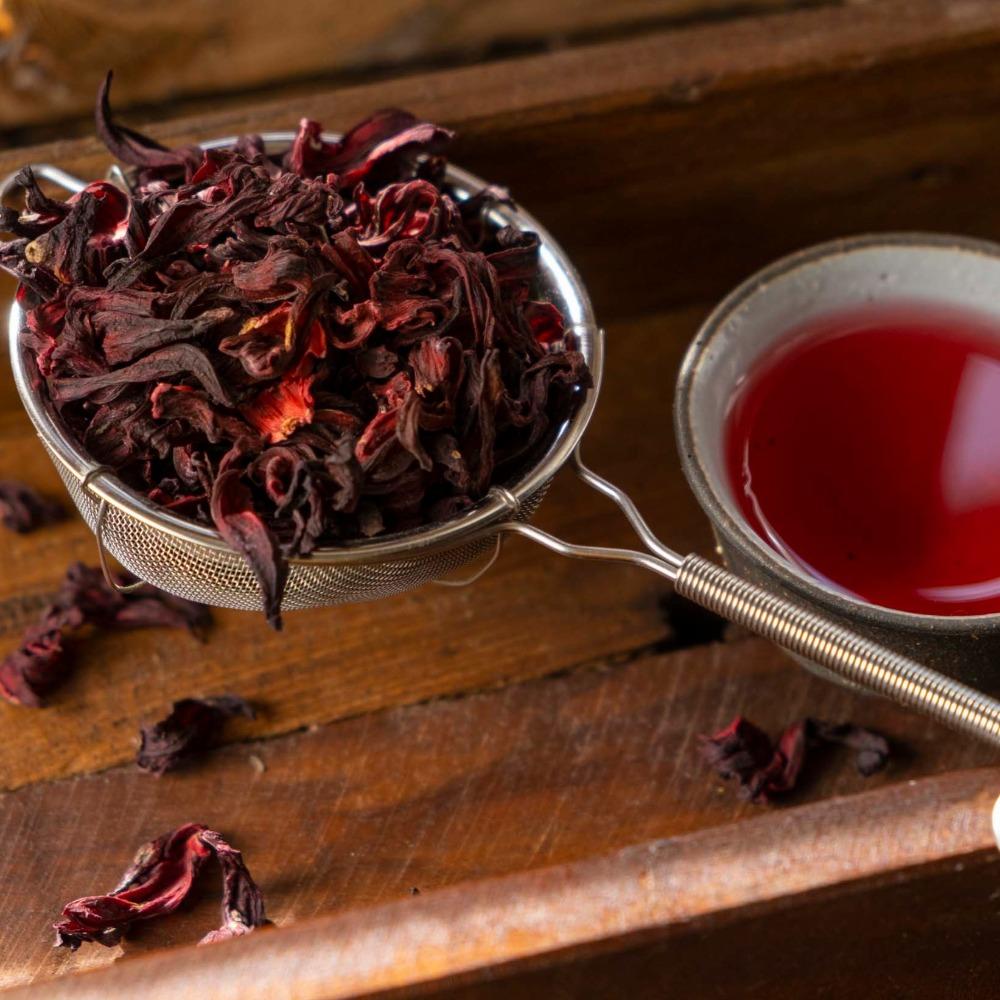
Karkadeh, also known as Karkade, is a traditional drink crafted in Egypt and Sudan by steeping dried hibiscus petals (Hibiscus sabdariffa) in water, often enjoyed chilled. Known for its deep red colour and refreshing tartness, its flavour is reminiscent of cranberry juice, yet not quite as sour. Whether sipped hot or cold, Karkadeh offers a soothing refreshment and can be found in restaurants or from street vendors across Egypt.

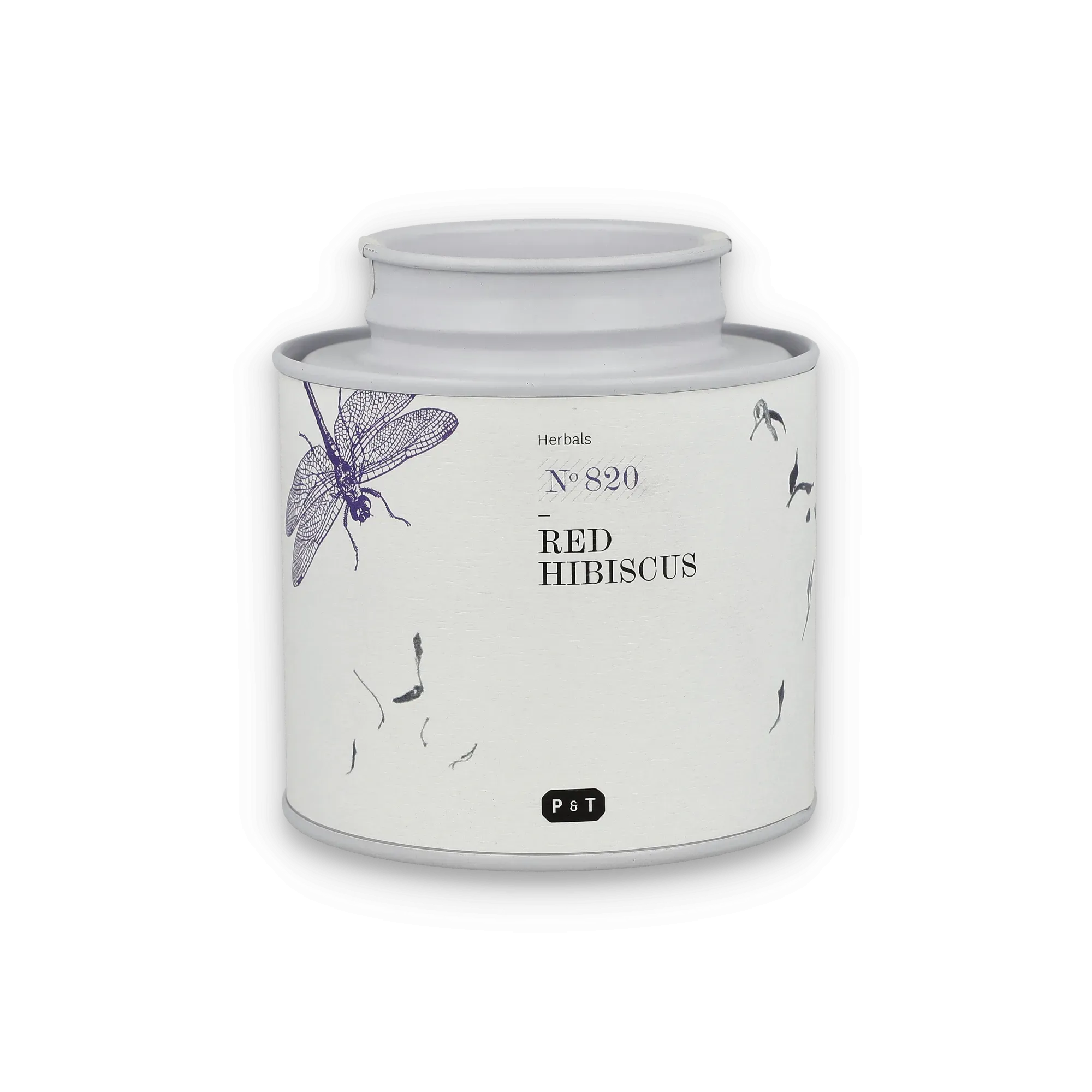
Hibiscus, but make it P&T
[[ Product Slider ]]
The Origins of Karkadeh: A Journey Through History
Karkadeh's journey begins in West Africa, where the Hibiscus sabdariffa plant (also known as "African Mallow" or "Roselle") is primarily cultivated. In Egypt and Sudan, this refreshing infusion has been served over centuries in festive ceremonies and as an expression of hospitality. Karkadeh ceremonies remain integral to the culture, transcending mere beverage to become a cultural emblem. With its invigorating taste, natural acidity, and vibrant red hue, Karkadeh is a welcome relief in warm climates.
Old Traditions and Modern Times: Where You Can Experience Karkadeh
Traditional Karkadeh ceremonies in Egypt were once rich with rituals that fostered shared experiences and celebrations. Today, the social aspect of tea drinking remains an important constant, even as preparation has become more modern and accessible. Whether in the bustling streets of Cairo or rural villages, Karkadeh is a familiar companion in Egyptian daily life, narrating tales of tradition and unity. Furthermore, Karkadeh offers a popular alternative to alcoholic beverages in Islamic societies.
The Role of Tea in Egyptian Culture: A Symbol of Hospitality and Community
Is Karkadeh Egyptian or Sudanese? While both countries celebrate the tea, Egypt brings its own nuance to this cultural symbol. Often served as a welcoming drink during home invitations, this hibiscus tea is a sign of hospitality, connecting people, encouraging conversation, and fostering a sense of community and belonging.

The Secret of Preparation: The Egyptian Hibiscus Syrup
Dried hibiscus petals are boiled with water and plenty of sugar in a pot until a deep red syrup forms, left to steep overnight. To create the refreshing classic, this syrup is diluted with water and served over ice as a chilled tea. Simply brewing the petals with boiling water develops their signature sweet-tart flavour, making them a delight for the senses and a key player in various tea cultures. However, caution is advised: Always prepare the tea with hot water initially to eliminate any bacteria before serving it cold.
Between Tradition and Modernity: Opportunities for Karkadeh Tea
The demand for hibiscus tea is rising both in Egypt and internationally. This growing interest offers numerous opportunities for producers aiming to tap into new markets. Particularly notable is the trend towards alcohol-free alternatives and natural beverages, paving the way for Karkadeh. The deep red hue and fruity-tart flavour of hibiscus tea attract tea enthusiasts worldwide searching for a unique taste experience.
Nonetheless, this opportunity also comes with challenges. Climatic conditions and fierce competition in the global tea industry present significant obstacles for producers. Innovation is key in finding sustainable growing practices that meet the demands of an ever-expanding market. And how does Karkadeh differ from other hibiscus teas? It often comes down to the preparation, making each brew distinct. With every sip of Karkadeh, you embrace a piece of Egyptian hospitality and a belief in community.