

Skip to content

🔥 Save up to 50% now in our Outlet% ➡️

Item added to your cart!

Cart

Your cart is empty

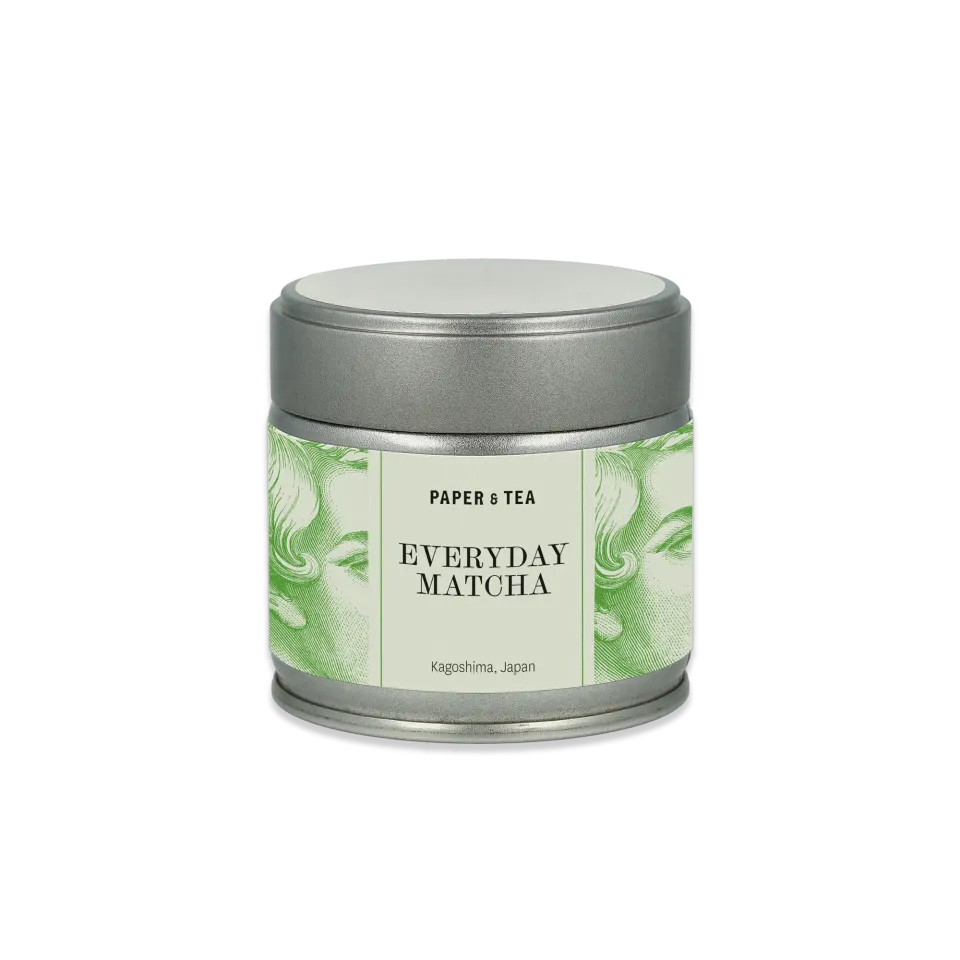
Metallischer Teebehälter mit Aufschrift 'PAPER & TEA Everyday Matcha Kagoshima, Japan', grüne Gesichter.
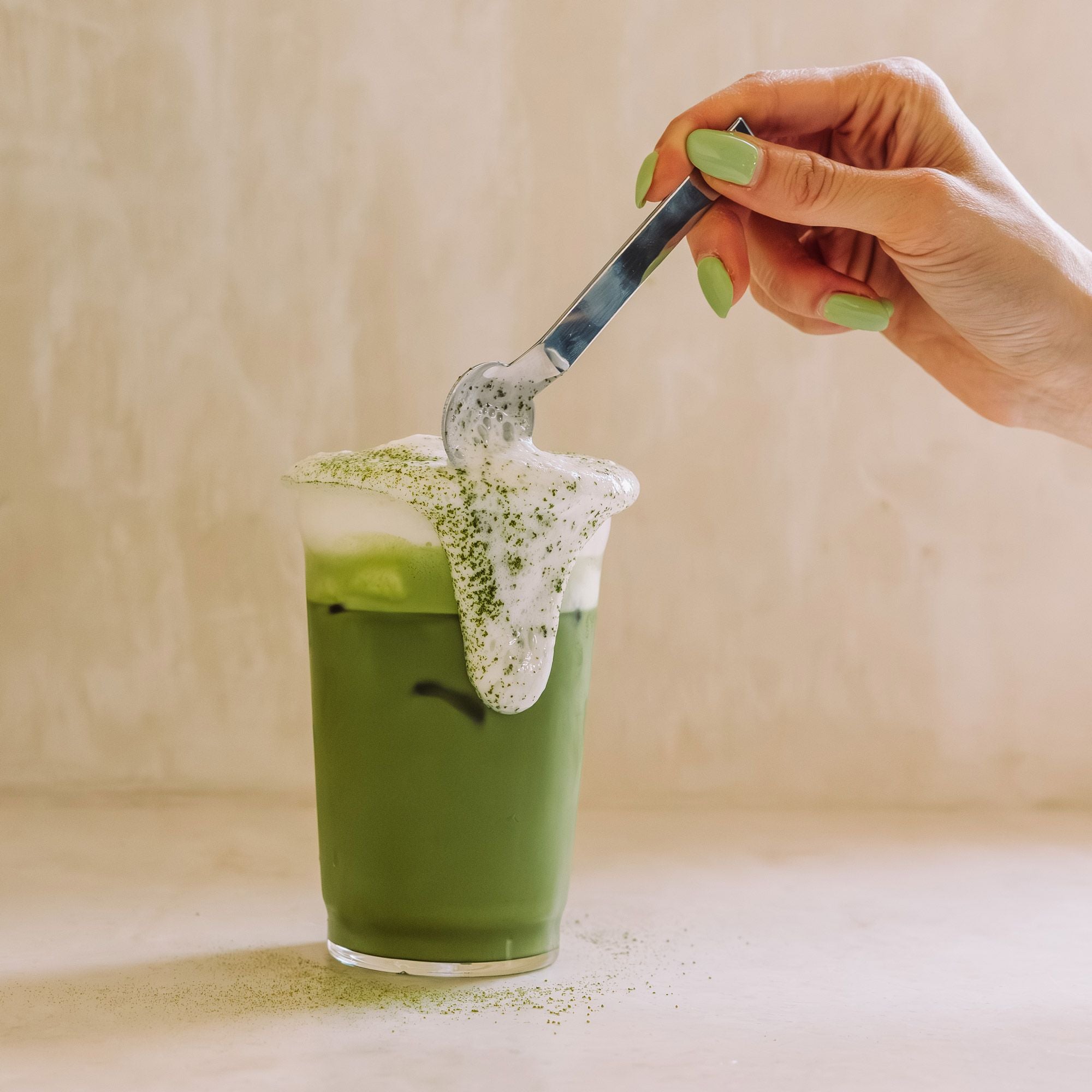
Klares Glas mit grünem Eistee und schaumiger Matcha-Schicht, Hand mit grünen Nägeln schöpft Schaum mit Löffel.
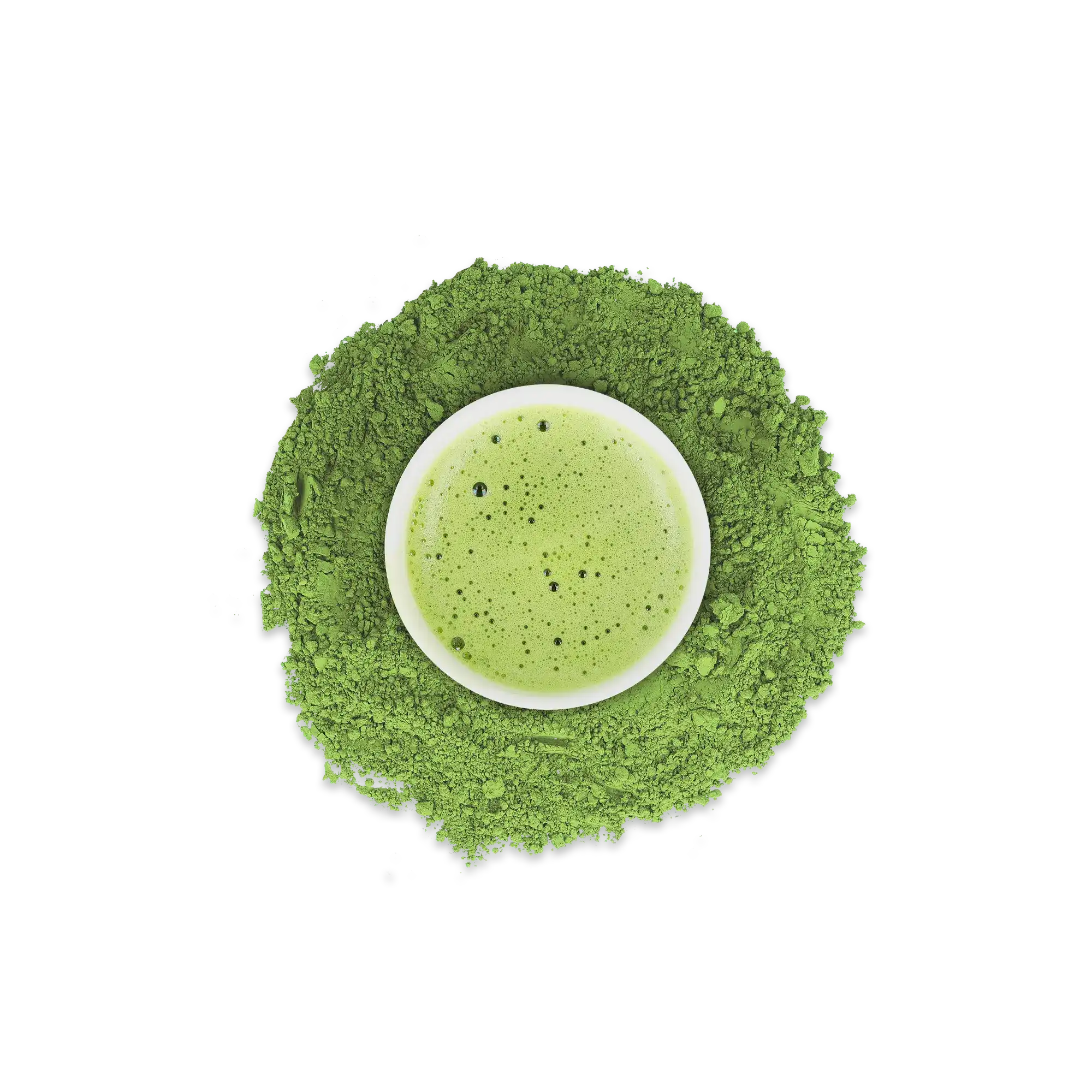
Weiße Tasse mit schaumigem Matcha-Tee, umgeben von leuchtend grünem Matcha-Pulver-Kreis.
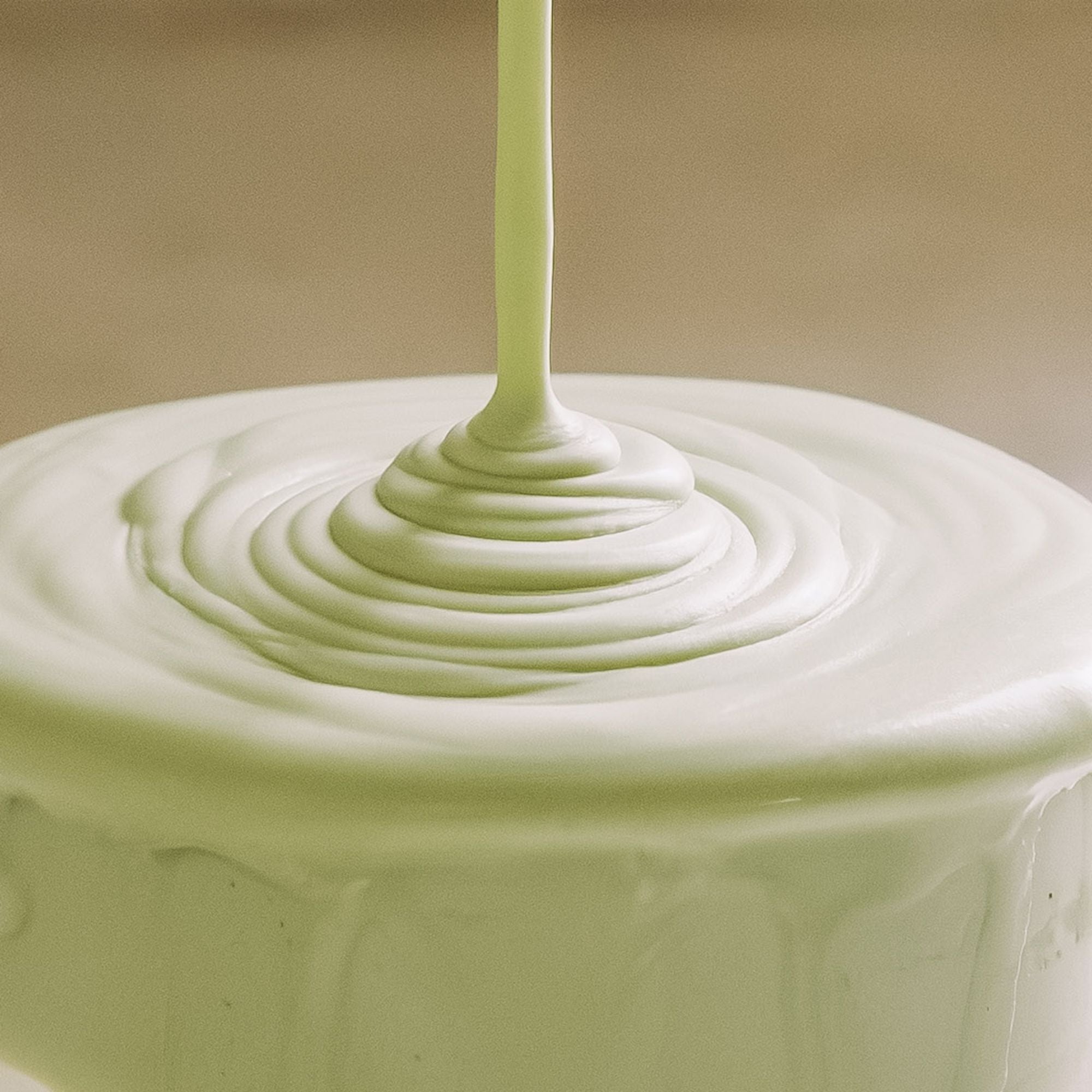
Dicke, cremige weiße Flüssigkeit fließt spiralförmig und bildet konzentrische Wellen.
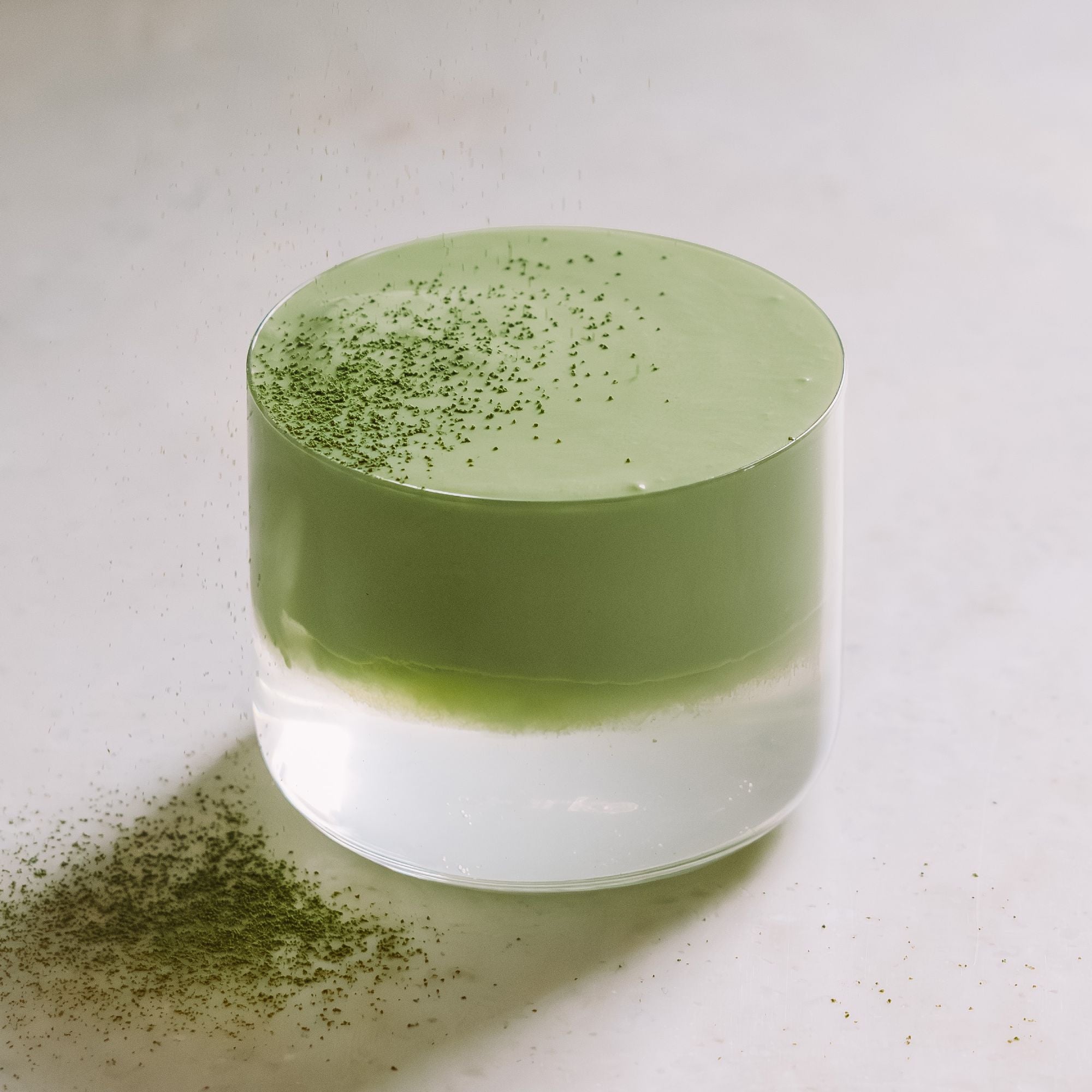
Ein zylindrisches Glas mit grüner und weißer cremiger Teeschichtung, bestreut mit grünem Teepulver.
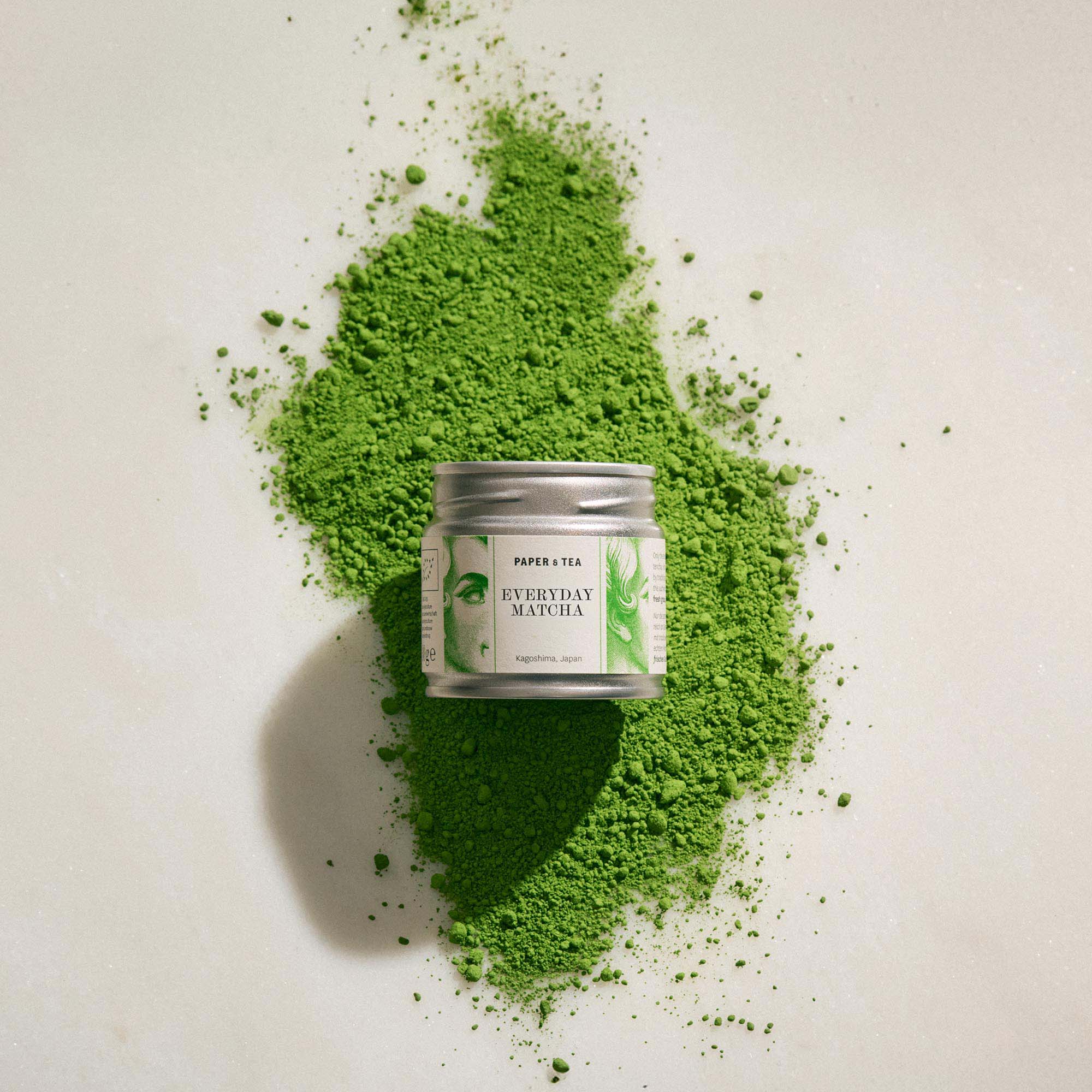
Silberne Dose Paper & Tea Matcha aus Kagoshima, Japan, umgeben von grünem Matcha-Pulver auf hellem Untergrund.
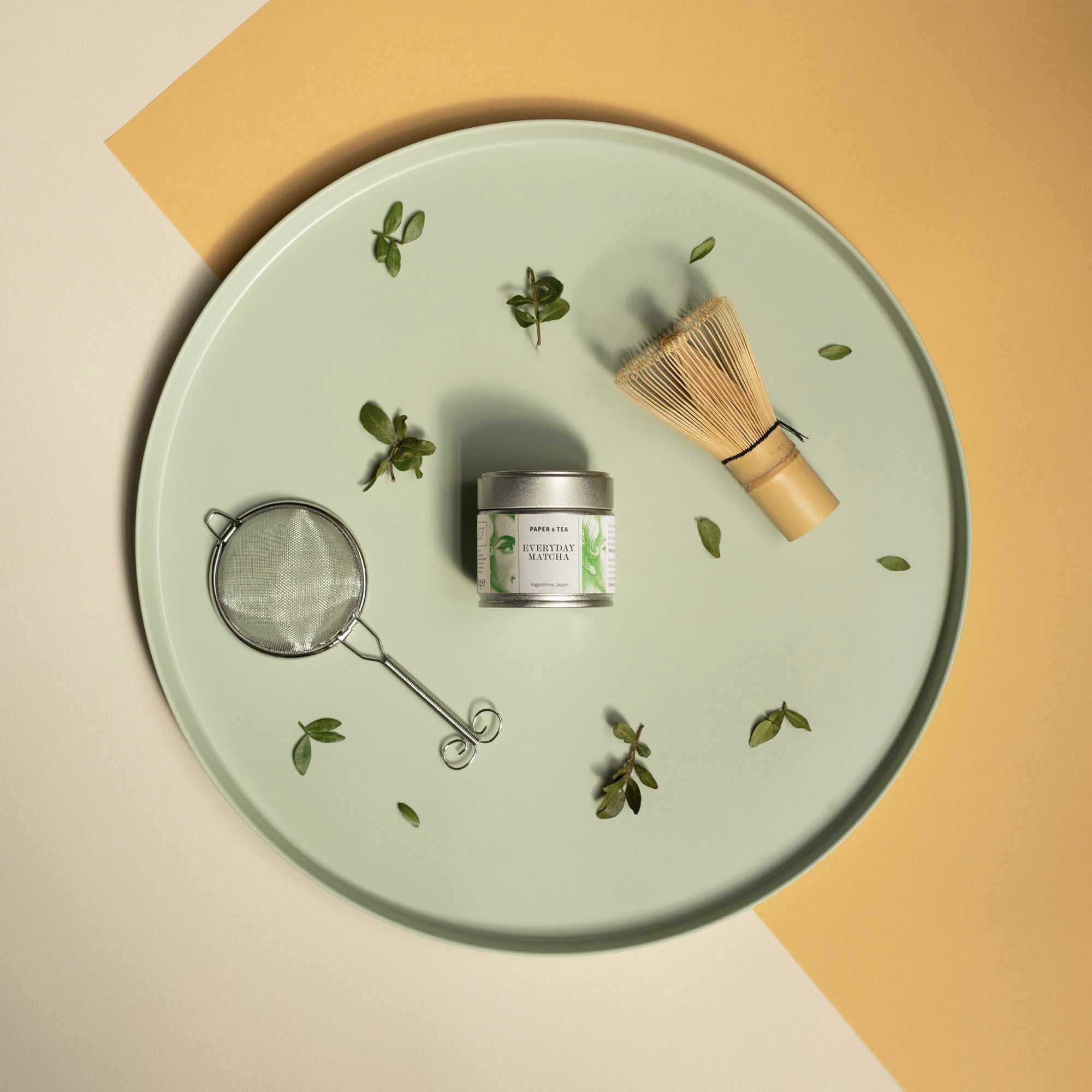
Hellgrünes Tablett mit Matcha-Dose, Bambus-Whisk, Teesieb und frischen Teeblättern.
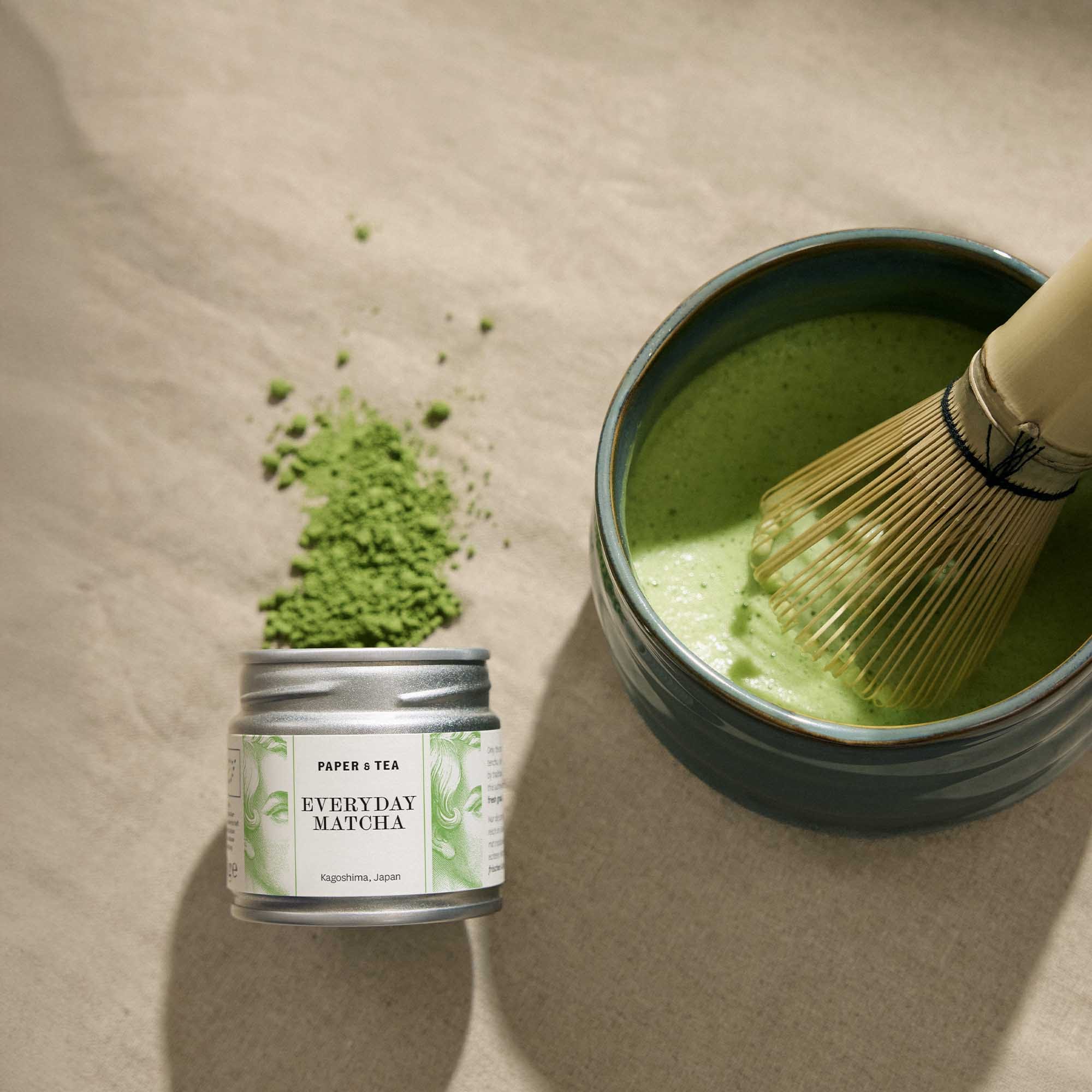
Metallbehälter mit Matcha-Pulver, Keramikschale mit Matcha-Tee und Bambusbesen auf beigem Stoff.
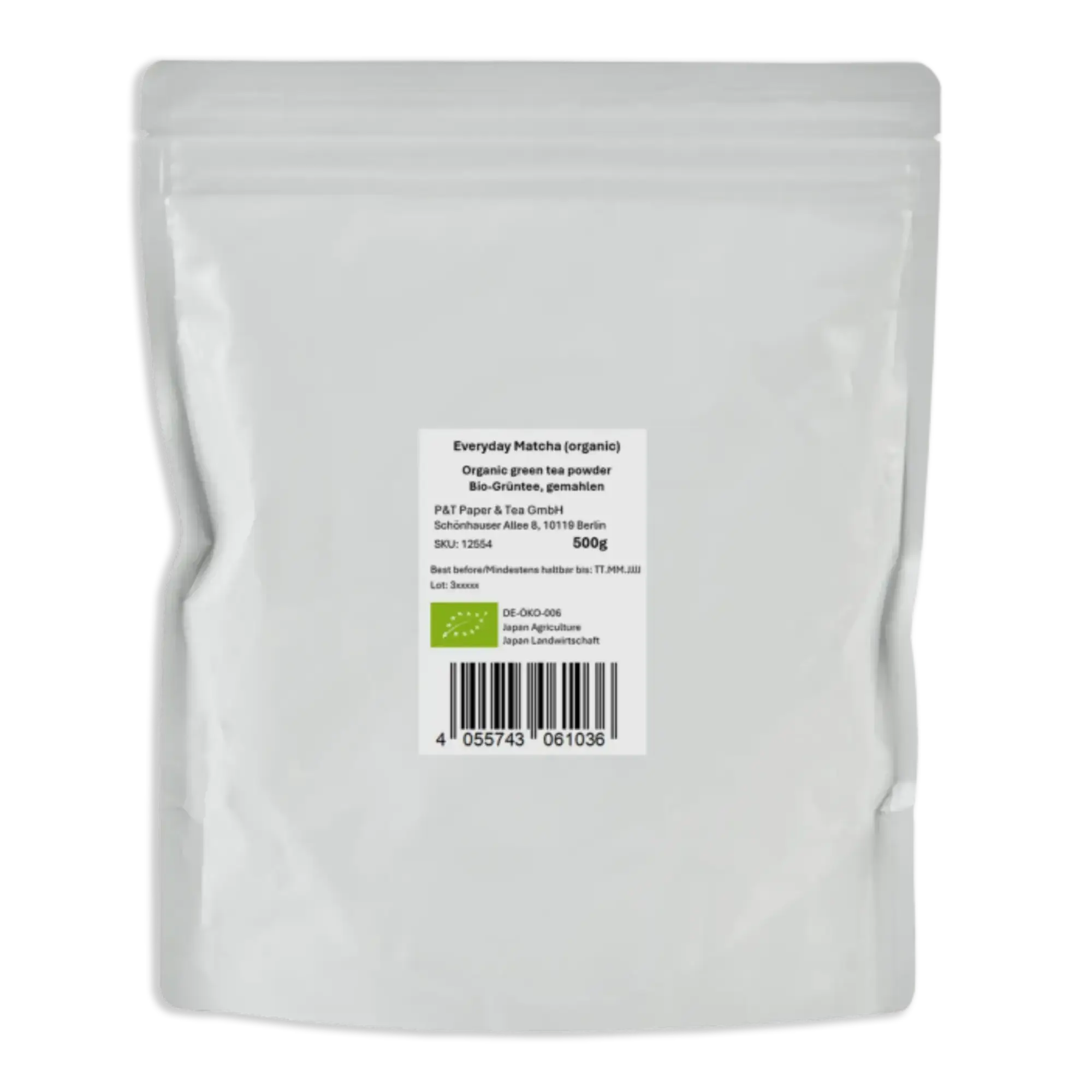
Weißer, mattierter Beutel mit P&T Everyday Matcha Bio-Grüntee und ökologischem Zertifikat
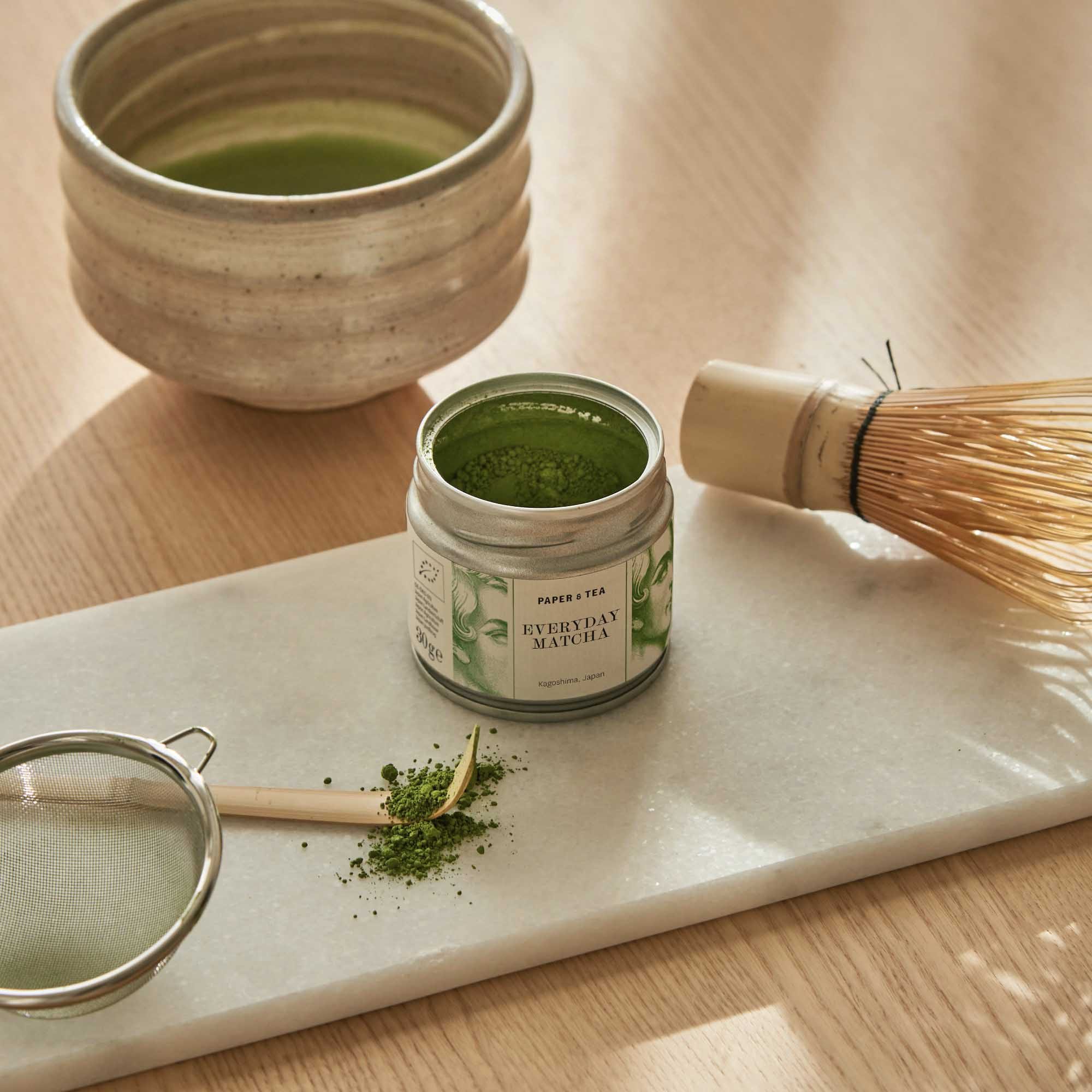
Metalldose mit grünem Matcha aus Kagoshima, Japan, auf Marmor mit Keramikschale, Bambusbesen und Löffel
Bestseller
Peach Almond Fresh Grass

Matcha PowderEveryday Matcha

Fresh Grass Almond Peach
  • Top-grade Organic Ceremonial Matcha from Japan
  • Vibrant green with a rich umami taste – intense, smooth, and naturally sweet
  • Traditionally stone-ground & shade-grown for 3 weeks for more chlorophyll and deeper flavor
  • Clean energy & focused clarity with no caffeine crash, thanks to naturally occurring L-theanine
  • Enjoy it pure or as a matcha latte
Choose Format:
€ 29,00

€ 96,67 / 100g

Lowest price (30 days): € 24,00

incl. VAT, plus shipping

Available, with you in 3 – 5 days
Choose quantity
12345
  • Apple Pay
  • Bancontact
  • Google Pay
  • Mastercard
  • PayPal
  • Visa
For me, as a matcha beginner, it's a great introductory matcha. I drink it with cashew milk, and both taste really good to me.
Judith
Organic green tea powder
Japanese green tea* (*certified organic)
Store in a cool and dry place. Once opened, store in the refrigerator.
Rundes lila Icon mit Schrift für Schnellen Versand und ein Lieferwagen in der Mitte

Free delivery on all
orders over 49€

Rotes rundes Icon mit Schrift für 100%Premium Qualität und Diamant in der Mitte

Only the best
quality for you

Rundes grünes Icon mit Schrift für Exzellenten Kundenservice und 2 Hände mit Herz in der Mitte

Our Customer Support
is here for you

Rundes lila Icon mit Schrift für 14 Tage Rückgabegarantie und Pfeil

Return for free what
you don't like.

How the tea tastes

Everyday Matcha

EVERYDAY MATCHA is a harmonious blend of spring (first flush) and summer harvests (second flush), creating a drink that tastes both delicate and intense. You can enjoy the green tea powder pure or as a matcha latte.
The perfect brew, made easy

The preparation

Sift the matcha powder into a bowl and add hot (but not boiling) water. Whisk the matcha until it's frothy. For the best results, use M-shaped moves with your wrist rather than a circular move. To make a matcha latte, pour the mixture over milk.

Amount of tea

Temperature

1 tbsp. / 2 g per 60 ml water 70° C

Sift tea powder into bowl. Add water and whisk 15–20 sec until creamy.

Dicke, cremige weiße Flüssigkeit fließt spiralförmig und bildet konzentrische Wellen.
Matcha-Schale mit schaumigem Tee auf Holztablett, umgeben von Bambusbesen, Sieb und Matcha-Behälter.

The journey of our tea
into your cup

The processing of the tea

Three weeks before harvest, the tea plants are shaded with nets to develop their unparalleled sweet umami flavor. After harvesting, the leaves undergo de-stemming and deveining resulting into Tencha. Using traditional stone mills, the tencha is carefully ground into fine matcha powder.

Karte von Kagoshima in Japan Kagoshima, Japan

The origin of the tea

Located at the southern tip of the Japanese volcanic island of Kyushu, the celebrated tea-growing region of Kagoshima boasts excellent conditions for tea cultivation, with ample rainfall and a warm climate. The region has gained a stellar reputation through its innovative farming techniques and dedication to producing high-quality varieties, especially Matcha, Gyokuro, and Sencha.

Nahaufnahme von leuchtend grünen Teepflanzen unter einem schützenden Netz.
Szenische Uferpromenade, Vulkan im Hintergrund, pastellfarbenes Gebäude, grüner Park, blaues Wasser mit Boje.
Klares Glas mit Eiswürfeln, in das grüne Teeflüssigkeit von P&T eingegossen wird.

Top-Grade Matcha from Japan

Carefully selected, never compromised in quality

Every matcha we offer meets the highest standards you can see and taste — in its flavor, color, and texture. After extensive tastings and careful sourcing in Japan, our tea masters select only matcha that truly meets our expectations: vibrant green color, ultra-fine milling, and a rich, well-balanced umami profile. The quality starts before the harvest. By shading the tea plants, the leaves develop greater depth, more complex flavor, and their signature color. Traditionally stone-ground, this process creates a smooth, creamy texture with a subtle natural sweetness — refined enough to enjoy on its own and bold enough to stand out in a latte. Every batch is rigorously tested to ensure it consistently meets our high quality standards. Thanks to its natural combination of caffeine and L-theanine, matcha delivers steady, long-lasting energy — for clear focus without the typical coffee crash.
Icon von japanischer Flagge

Japanese
origin

Icon von Matcha-Besen und Schale

Traditionally
crafted

Icon mit Kaffee und Teetasse

Alternative
to coffee

Icon für Sets

Complete
sets

FAQ about Everyday Matcha

Matcha is made from finely ground green tea leaves. For our Everyday Matcha, the tea plants in Kagoshima (Japan) are shaded for around three weeks before harvest. This causes the leaves to develop more chlorophyll and amino acids, which gives matcha its vibrant green colour and umami-rich flavour. After harvesting, the stems and leaf veins are removed (the result is called tencha), and the leaves are then ground into a fine powder using traditional stone mills.
For everyday enjoyment, 1 to 2 cups is common. One serving of Everyday Matcha is about 2 g of powder to 60 ml of water. This lets you enjoy the full flavour without taking in too much caffeine. How much feels comfortable depends on your individual caffeine sensitivity.
Because you drink the whole leaf with matcha, one cup contains more caffeine than the same amount of regular steeped green tea – roughly 30–70 mg per cup (2 g), depending on the dosage. The caffeine is absorbed together with the naturally occurring amino acid L-theanine, which is why many people find its effect more even than that of coffee.
Matcha is valued as a green tea that naturally contains catechins (including EGCG), the amino acid L-theanine, and caffeine. It provides gentle, steady energy and fits well into a balanced diet. Matcha is a food for enjoyment, not a medicine or remedy – for health-related questions, a medical professional is the right point of contact.
High-quality matcha is bright, rich green (not yellowish or dull), extremely finely ground, and smells fresh and grassy. In taste it is creamy, umami-rich, and only mildly bitter. A pale colour or a sandy texture indicates lower quality or ageing.
Matcha is usually distinguished by grades: ceremonial-grade, made from the youngest, most tender leaves of the first harvest, is intended for drinking on its own. Culinary-grade is stronger and more affordable, intended for baking, smoothies, and lattes. Our Everyday Matcha is designed for daily enjoyment – fine enough to be prepared on its own, yet flavourful enough to stay present in a matcha latte.
Look for origin (Japan, e.g. Kagoshima or Uji), a fresh, bright green colour, a fine grind, and a harvest date or best-before date. Organic certification and airtight, light-protected packaging are further marks of quality, as matcha is sensitive to light, air, and heat.
Our Everyday Matcha comes from Kagoshima, at the southern tip of the Japanese island of Kyushu. The warm, rainy climate and volcanic soils are considered ideal for high-quality green tea. The region is especially known for matcha, gyokuro, and sencha.
Both contain caffeine but work differently. In matcha, the caffeine is paired with the amino acid L-theanine. As a result, the energy is typically experienced as more even and longer-lasting – without the sudden peak and subsequent drop (the "crash") that many associate with coffee. This makes matcha a good everyday alternative to coffee for many people.
Sift 2 g of Everyday Matcha into a bowl, add about 60 ml of water (not boiling, ~70 °C), and whisk for 15–20 seconds using loose M-shaped movements from the wrist until frothy. Then pour over frothed milk of your choice – with oat or cashew milk, the latte becomes especially creamy and slightly sweet. For an iced matcha latte, simply pour over ice and cold milk.
Yes. For a refreshing iced matcha, first whisk the sifted matcha smooth and frothy with a little water, then pour over ice cubes and cold water or cold milk. Prepared cold, matcha tastes milder and less bitter – ideal for hot days.
Good matcha is labour-intensive: the plants are shaded for weeks before harvest, only the most tender leaves are hand-selected, destemmed, and slowly ground on traditional stone mills – a single mill often produces only a few grams per hour. This effort is reflected in the colour, fineness, and flavour.

Customer Reviews